
Kenya: Chinese-Backed Rideence to Invest Sh320mn in Ev Assembly Plant in Mombasa
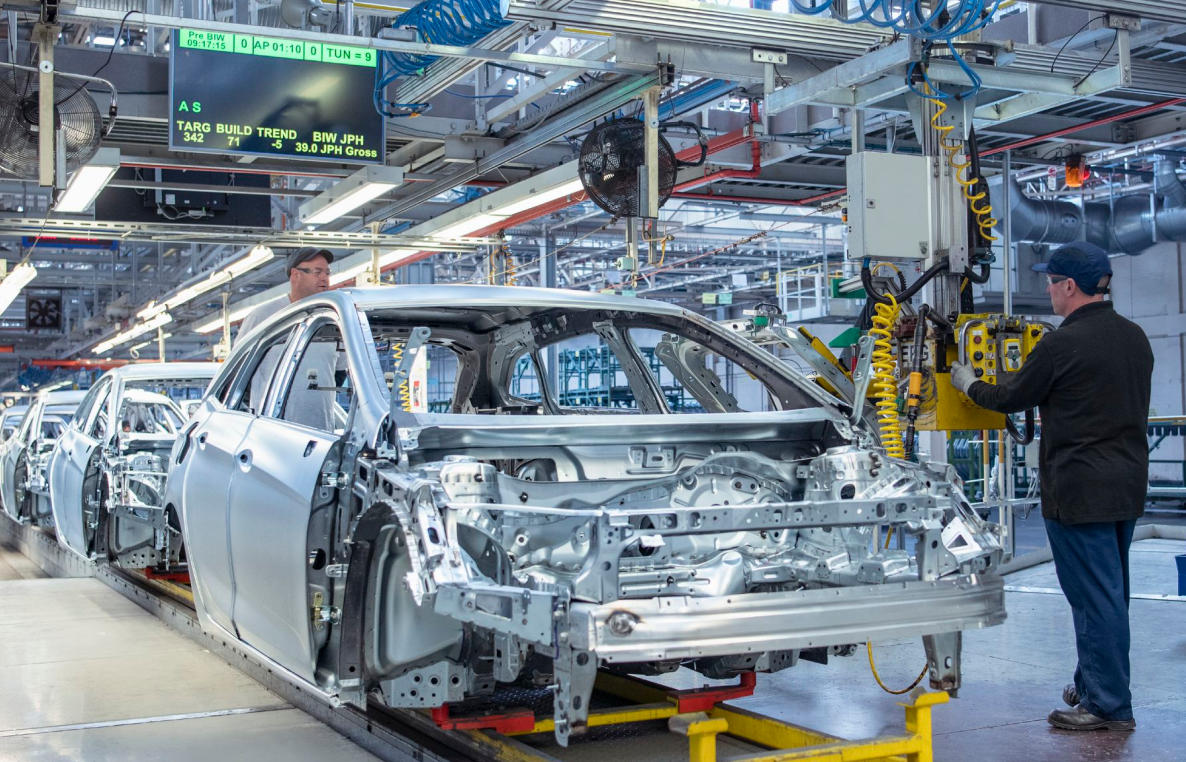
Nairobi — Rideence Africa Limited will invest Sh320 million to begin local assembly of electric vehicles at the Associated Vehicle Assemblers (AVA) plant in Mombasa.
The company said the move, aimed at reducing vehicle imports, will start with the assembly of 152 electric vehicles by the end of February 2026. These will include 132 Henrey electric taxis and 20 Joylong electric high-roof matatus, assembled using completely knocked-down (CKD) kits.
The investment follows Rideence’s operations in Kenya over the past three years, during which it has deployed more than 180 fully built electric vehicles imported from China. These include 54 electric matatus and 128 taxis, forming what the company describes as East Africa’s largest electric ride-hailing fleet.
“Having already invested over Sh1.4 billion in Kenya since 2023, Rideence is strategically transitioning from an operator to a local manufacturer,” said Minnan Yu, Managing Director of Rideence Africa Limited.
“Our partnership with AVA will push local parts procurement to over 25 per cent by 2026. We are moving beyond importing solutions to co-creating them locally, building an ecosystem that addresses Kenya’s specific challenges, from fuel price volatility to the need for skilled jobs.”
Rideence said it has created between 550 and 680 direct jobs since 2023, with the new assembly phase expected to generate at least 3,000 additional direct and indirect jobs across supply chains, charging infrastructure and related services.
The company is also expanding its charging network, with plans to increase stations from 16 to 100 nationwide by the end of 2026.
In addition, Rideence is offering technical training at its service centres and is in discussions with the University of Nairobi on the introduction of electric vehicle technology programmes.
The localisation strategy targets sourcing between 15 and 25 per cent of components locally in the short term, with a longer-term goal of achieving 40 to 60 per cent local content.
Source: All Africa

 English
  Chinese